
Aesthetic treatments
How Korean Doctors Are Leading the Way in South Florida

In the vibrant, multicultural landscape of South Florida, healthcare is experiencing an exciting transformation, thanks in no small part to the influence of Korean doctors. With a blend of precision, compassion, and innovation, Korean physicians are not just participating in the medical field here—they’re setting new standards. Whether it’s in primary care, cosmetic medicine, internal…
Read MoreThe Future of Botox Injections: Emerging Alternatives and Innovations in Injectable Treatments
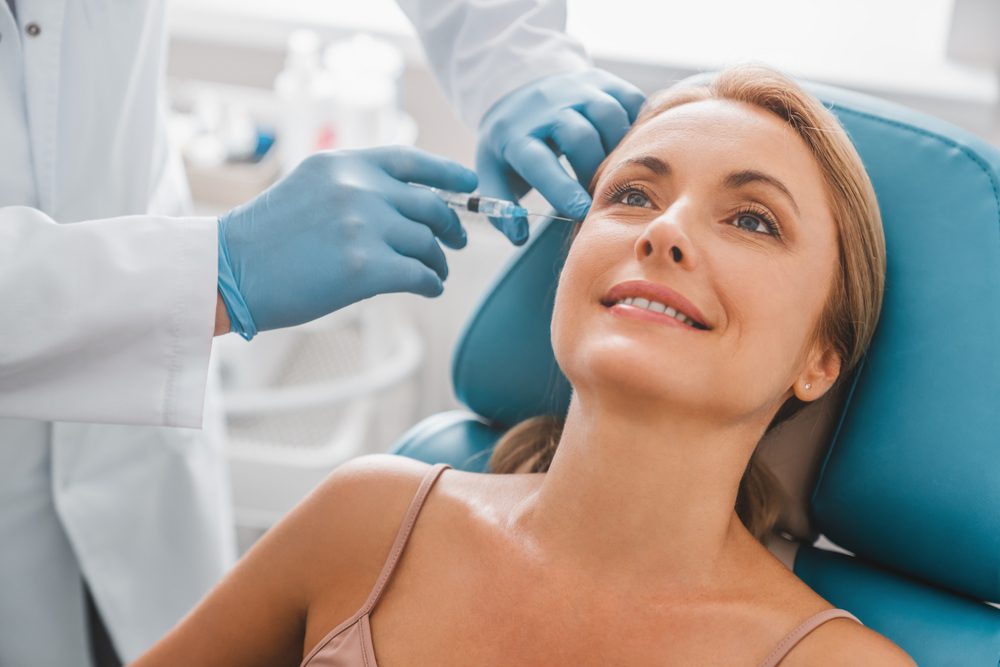
Botox has long held its place as the go-to injectable for softening wrinkles, smoothing fine lines, and helping people feel a little more confident in their own skin. But we’re entering a new era—one where Botox injections are just one part of a broader conversation about aesthetic wellness, cutting-edge science, and personalized treatment options. So,…
Read MoreTreating Delicate Areas: Using Chemical Peels Safely Around the Eyes and Lips
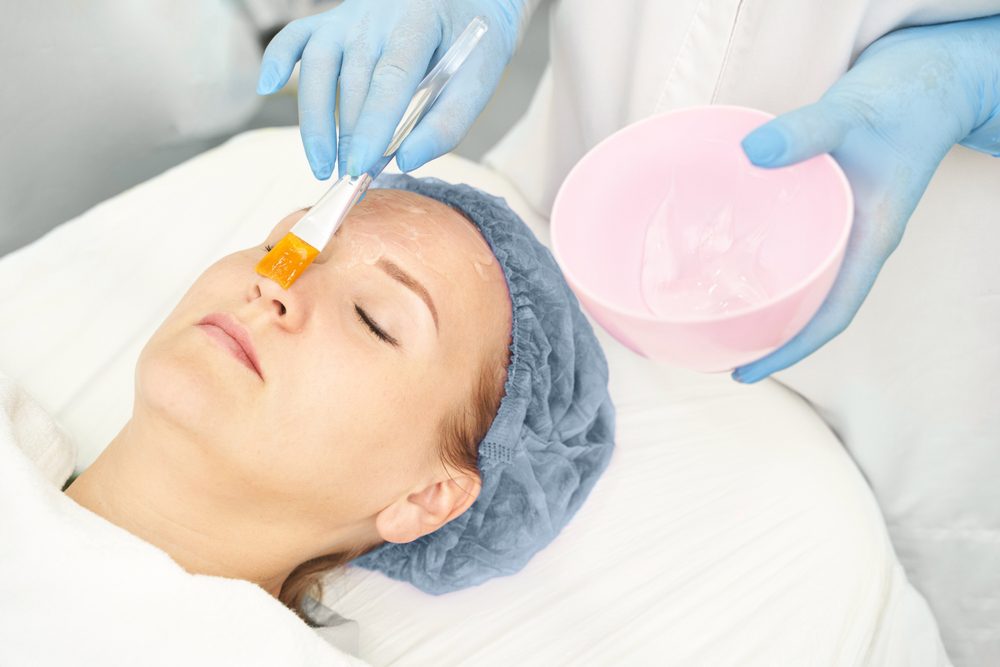
The eyes and lips are among the most expressive and delicate areas of the face, and over time, they are often the first to show signs of aging. Wrinkles, fine lines, and discoloration are common concerns, but treating these areas requires extra care. When performed with precision, chemical peels for wrinkles and other cosmetic concerns…
Read MoreThe Role of Growth Factors and Stem Cells in Microneedling for Stretch Marks
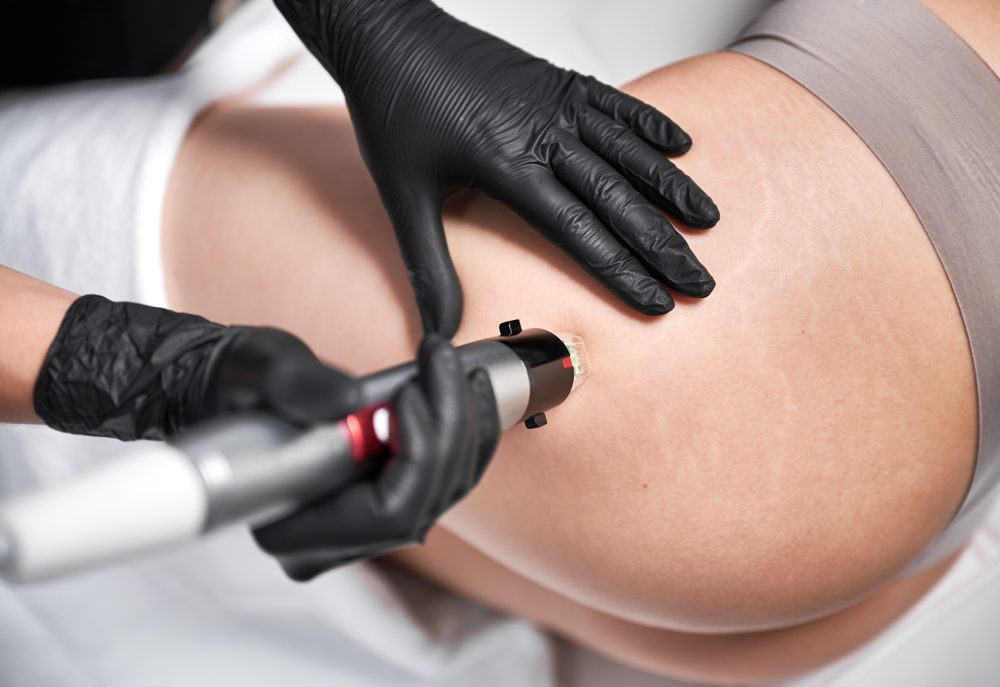
Stretch marks—scientifically known as striae—are a common skin concern that many people experience at some point in their lives. Whether they develop due to pregnancy, puberty, sudden weight changes, or muscle gain, these lines can make some feel self-conscious. While they’re completely natural and harmless, many individuals look for effective ways to reduce their appearance.…
Read MoreCombining Botox with Other Aesthetic Treatments for Enhanced Smile Line Correction
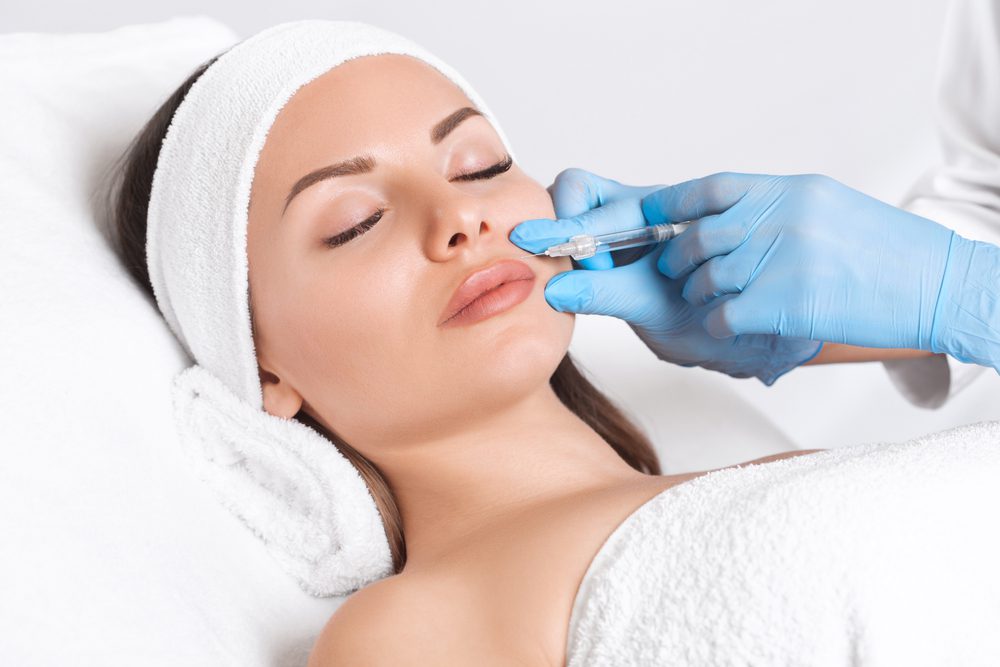
A youthful, radiant smile is often associated with confidence and beauty. However, over time, fine lines and deep folds around the mouth—commonly known as smile lines or nasolabial folds—become more pronounced due to aging, repeated facial expressions, and loss of collagen. While Botox for smile lines has long been a go-to treatment for minimizing wrinkles,…
Read MoreThe Best Chemical Peel Ingredients for Treating Stretch Marks: AHA, TCA, or Phenol
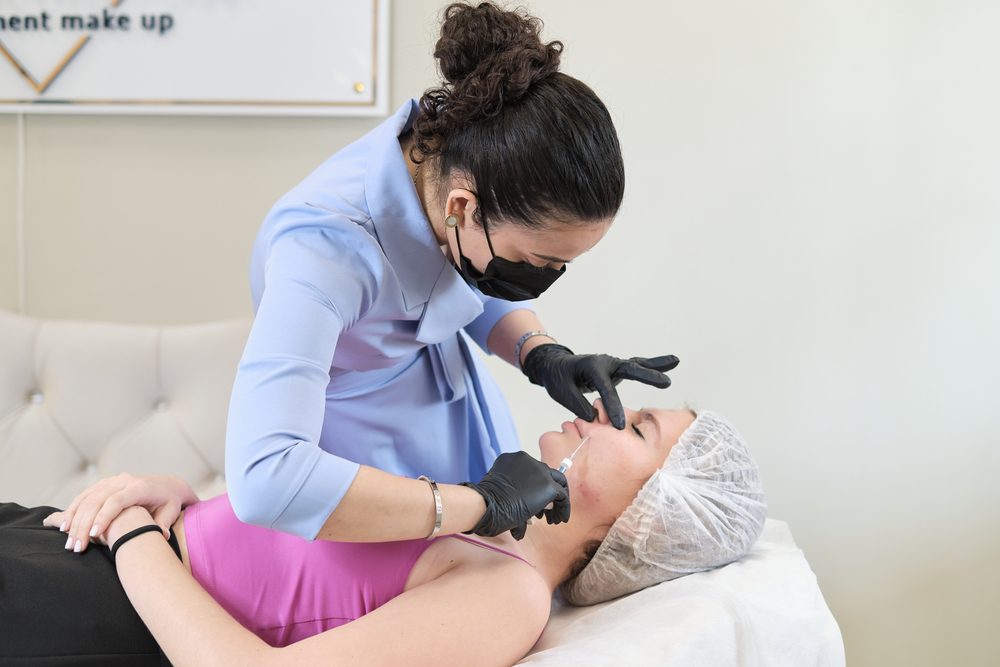
Stretch marks are a common skin concern, affecting people of all ages and backgrounds. Whether caused by pregnancy, rapid weight changes, or growth spurts, these streak-like scars can be frustrating to deal with. While there is no instant cure, chemical peels have emerged as an effective treatment option for improving skin texture and reducing the…
Read MorePrecision Injection Techniques: How Expert Placement Enhances Natural Results
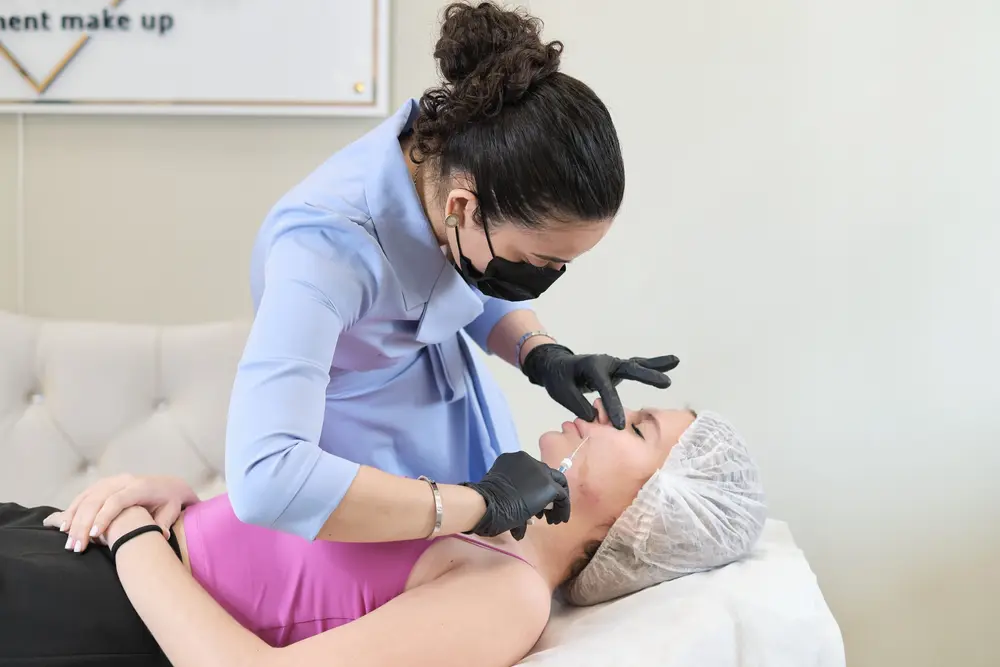
In the world of aesthetic medicine, achieving natural and youthful results is an art as much as it is a science. The difference between an artificial, overdone look and a subtle enhancement often comes down to precision injection techniques. Whether it’s restoring lost volume, softening lines, or contouring facial features, expert placement plays a crucial…
Read MoreHow Microneedling Helps Combat Sun Damage and Fine Lines
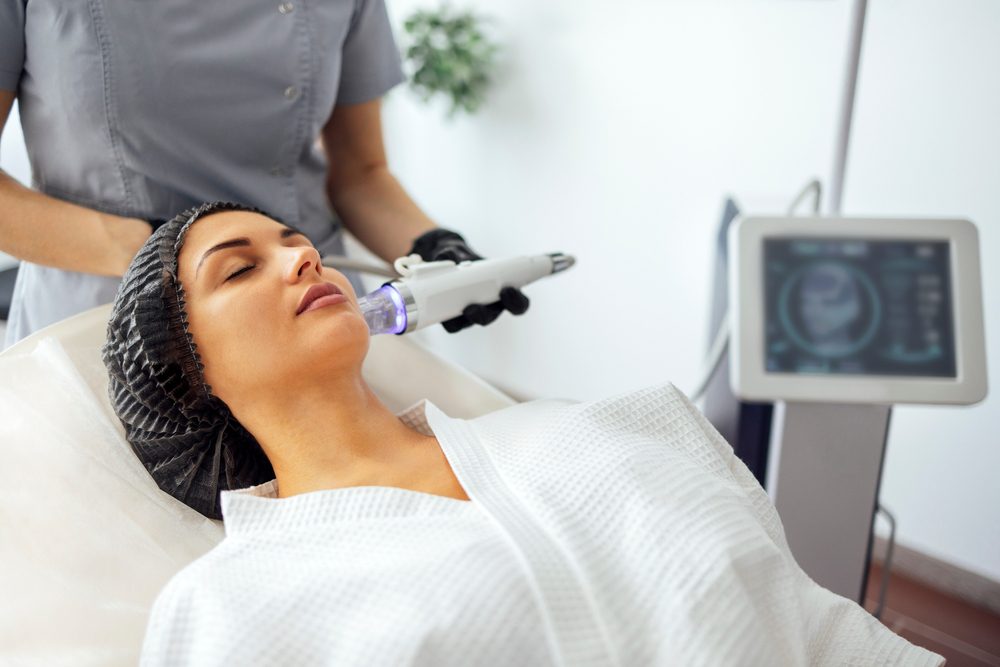
Sun exposure is an unavoidable part of life, but prolonged exposure to ultraviolet (UV) rays can take a serious toll on the skin. Over time, sun damage leads to premature aging, causing fine lines, wrinkles, uneven skin tone, and rough texture. While preventive measures like sunscreen and skincare routines can help, reversing the effects of…
Read MoreWhat is the Microdroplet Technique? Achieve Subtle, Natural-Looking Results With Dermal Fillers
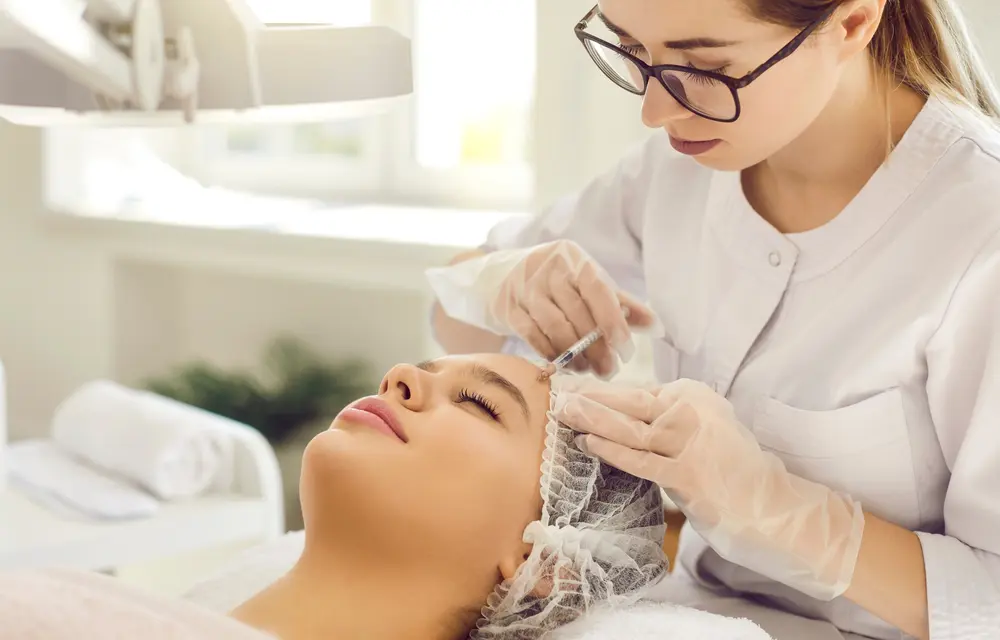
The world of aesthetic medicine has evolved significantly, moving away from exaggerated, overfilled looks toward subtle, natural enhancements. One of the most innovative approaches to achieving soft, youthful facial rejuvenation is the Microdroplet Technique—a precise method that ensures dermal fillers seamlessly blend with your natural facial contours. If you are considering Dermal Fillers in Florida,…
Read MoreUnderstanding the Science Behind Chemical Peels’ Effectiveness on Melasma
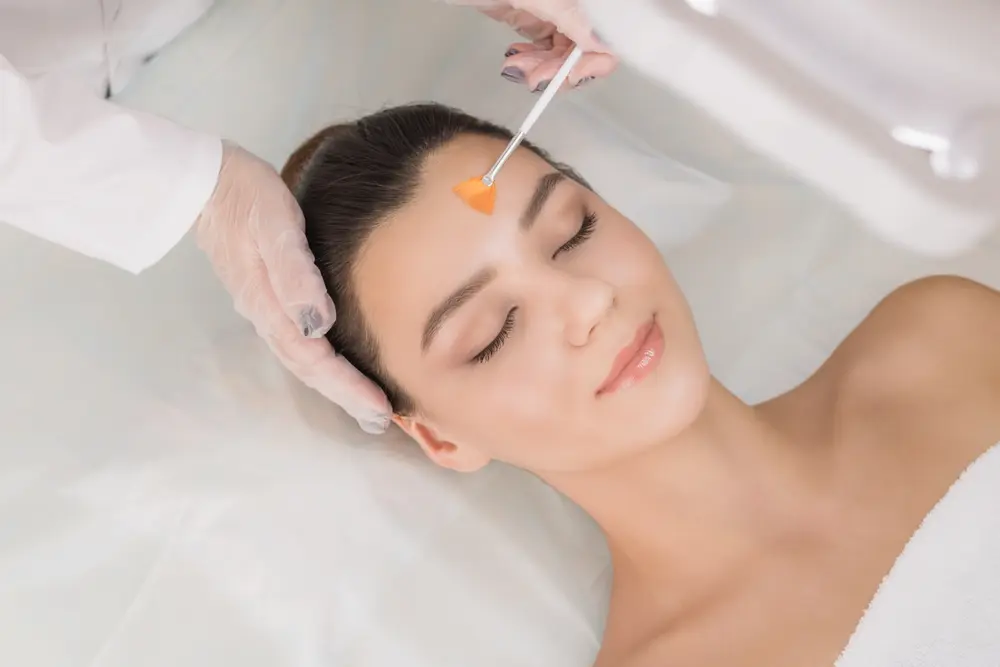
Melasma is a common aesthetic skin disorder characterized by gray patches and skin discoloration. The exact causes of this skin problem are unknown, however, excessive sun exposure, hormonal changes, and genetic predisposition play a role in its occurrence. Generally, women between 20 and 40 years old and with darker skin tones are more prone to…
Read More